 |
|
|
|
|
|
||||||||||||
|
|||||||||||||||||
|
|
|||||||||||||||||
|
|
|||||||||||||||||
|
|
|||||||||||||||||










|
|
|
|
 |
|||
 |
|||
|
|
|
||
|
A survey of some of the standard self-improvement literature is listed below. The concepts of the books are described and links are provided for when you would like to obtain one of the books.
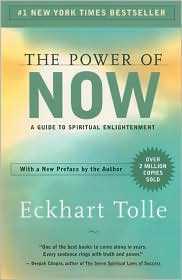
The Power of Now by Eckhart Tolle Echkart Tolle is known for his interaction and television appearances with Oprah Winfrey. In the Power of Now, Mr. Tolle begins with how his own life was transformed when he was 29 and seriously depressed. He then provides the reader with the insights that transformed his own life. The basic philosophy within the book is that we let go of our ego, which creates a self that is not really who we are. When we let go of our egos, we are able to embrace and become one with our Being. Being is sometimes described as God, but Mr. Tolle more often uses the word Being. Deeper within us than the ego is a conscious presence. We all hear a voice in our head that is involuntary with often recurring thoughts. The voice makes judgments and commentaries that can come from past experiences or could be rehearsing for how to handle a situation in the future and is generally involuntary. A method of letting ourselves know our conscious presence is to simply listen to the voice without judging. As we listen to the voice, we are able to distinguish between it and our deeper conscious presence. Becoming aware of our conscious presence allows the voice to calm down so that we can experience peace and the joy of being. When the voice is dominating the mind, it makes thinking less clear and creates the illusion of separation from others. Reality is often different than what the mind wants it to be, so the mind defensively counters with “habitual resistance to or denial of what is.” Mind includes emotions as well as thoughts and each experience of emotional. Our future experiences are often viewed through emotional pain that we carry from past experiences.
Paperback eBook Audiobook
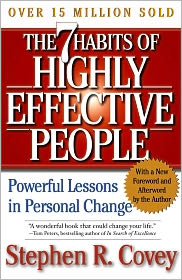
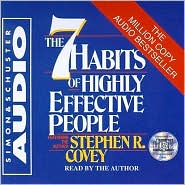
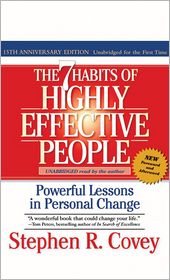
The Seven Habits of Highly Effective People by Steven Covey In his best selling book, Steven Covey lays out the argument that while small changes in our lives can be made through behavioral changes, deeper and more lasting change is the result of deeper principle-centered change. He then lays out the seven habits. They are: 1. Be Proactive - Choose to improve upon what you can influence rather than spending any thought or energy on the things you have no control over. 2. Begin with the End in Mind - Know where you want to go before starting. In this chapter, he also recommends and explains a personal mission statement. 3. Put First Things First - This chapter is the basis of another recommended book by Steven Covey that is described below 4. Think Win/Win - In any interaction between two people, the interests of both people need to be protected. If either side loses, the transaction is a bad one. 5. Seek First to Understand and Then to Be Understood - If you want someone to listen to you, first listen to them and really try to understand what is important to them. 6. Synergize - When differences come up, cooperate to come up with real solutions to differences by not trying to win at the expense of the other, but by combining your ideas to come up with a better idea. 7. Sharpen the Saw - Find a balance between producing and improving your ability to produce. If you do not take time to restore yourself and rebuild your own abilities, then you will be like the guy sawing who does not take time to sharpen the saw, when sharpening the saw would make the sawing take far less time than sawing with a dull saw.
Hardcover Audiobook 15th Anniversary, 15 CDs
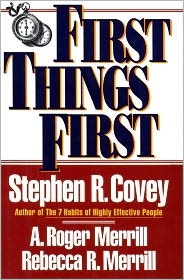
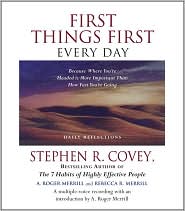
First Things First by Steven Covey In this book, Steven Covey makes the case that working harder and faster will not necessarily get us where we want to go. We cannot get it all done, so we need to prioritize. He state that all of the things that fill our time can be divided into one of four categories: Quadrant 1 - Activities that are urgent and important Quadrant 2 - Activities that are not urgent and are important Quadrant 3 - Activities that urgent and not important Quadrant 4 - Activities that not urgent and not important The activities in Quadrant 1 will get done because they have to. The activities in Quadrant 3 and 4 take up our time, but never actually need to be done because they are not important. By not doing the activities in Quadrants 3 and 4, we free up time for Quadrant 2. By handling things that are important while they are not urgent, Quadrant 1 becomes smaller and there is less urgency.
Paperback Audiobook-Unabridged Audiobook-Abridged
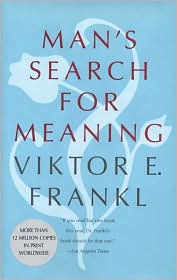
Man’s Search for Meaning by Viktor Frankl Viktor Frankl begins by describing his experiences in Nazi concentration camp and explains why some people were able to withstand the various forms of abuse while others succumbed. He concludes that the meaning of life is found in every moment that we live. In the concentration camps, though a prisoner himself, he was able to apply his psychotherapeutic expertise to help his fellow prisoners cope with their experiences and their reactions their experiences. We are not defined by experiences, but we have the freedom of how we choose to act is there even in times of suffering. This book is a little different from most of the other books in this survey of self improvement literature. It gives the reader a deeper understanding of what it means to be human and to find meaning in every moment. He would have been justified in lamenting his fate and wallowing in self pity, but Viktor Frankl viewed his imprisonment at the hand of the Nazis as his opportunity to serve his fellow prisoners. Most of us have not experienced the physical incarceration and conditions that Viktor Frankl experienced, but we might put mental constraints on ourselves. We have the freedom to break through those constraints and find meaning in today and in each day we live. Hardcover eBook Audiobook
The Secret by Rhonda Byrne The Secret that they talk about in the book and movie The Secret is this: Our thoughts become things. What we focus our minds on becomes real. This concept is very similar to what philosophers and many self-help gurus have stated over the years, but it is put together in a very concentrated way in The Secret. There is a lot of mysticism interwoven into the Secret. If you like mysticism, it is for you. Otherwise, if you can read through the hocus pocus, there are some good principles. The Secret makes it sound like if you want to be a doctor, tell the universe you want to be a doctor and you will become one with no effort. I don’t think that is what they are trying to say, but it reads like that. What you really want to get out of this book is that we become what we focus our minds on. If we focus our minds our problems, they seem to become even bigger and overwhelm us. If we focus our minds on the solutions, the problem becomes smaller and we can solve the problem. Focusing our minds on what we want will not magically make them appear. But our minds are powerful. When we are seeking an answer, we can ask the universe for what we want and then be still and the answer will be given to us. A difference is made between action and inspired action; inspired action is action that we feel we need to take, but it is action that we want to take. Another concept is of the book is that there is abundance for everyone. If we focus on abundance, then that is what we will get.
eBook CD-Unabridged Hardcover with DVD
DVD Extended Gratitude Book
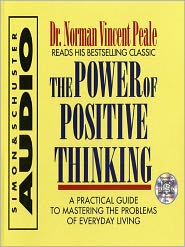
The Power of Positive Thinking by Dr. Norman Vincent Peale One of the best selling books about positive thinking, the core message of Dr. Peale is that you can be happier and more successful by believing in yourself. Throughout the book he gives practical guidelines to apply positive thinking in your life. He encourages that if we believe in ourselves, good things will happen. The techniques that are provided in the book include how to stop worrying, how calming your mind creates more personal power within your life, how to change your own thinking to reshape your life, and drawing upon your higher power. The book has been criticized for a lack of documentation of some of the anecdotes within the book, but if the reader can view these as parables to illustrate a point then there is much valuable insight that can be gained from the The Power of Positive Thinking.
Paperback Audiobook
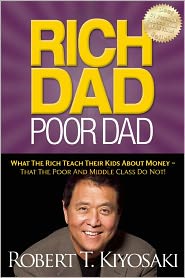
Rich Dad / Poor Dad by Robert Kiyosaki
Paperback eBook
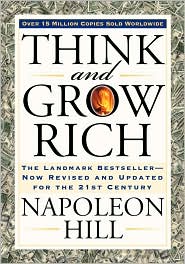
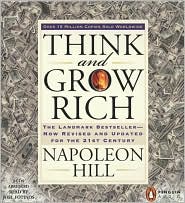
Think and Grow Rich by Napoleon Hill
Paperback eBook Audiobook
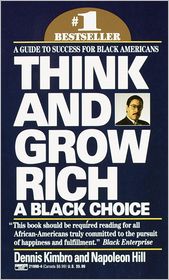
Think and Grow Rich: A Black Choice by Dennis Kimbro and Napoleon Hill
Paperback eBook
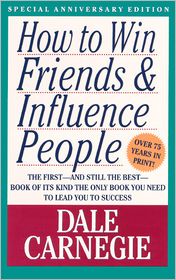
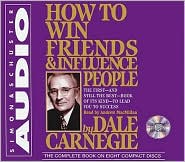
How to Win Friends and Influence People by Dale Carnegie
Paperback eBook Audiobook
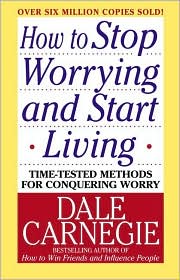
How to Stop Worrying and Start Living by Dale Carnegie
Paperback eBook Audiobook
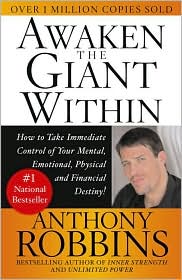
Awaken the Giant Within by Anthony Robbins
Paperback eBook Audiobook
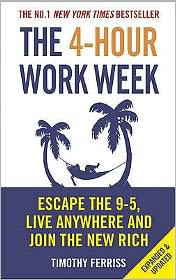
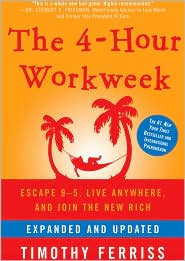
The 4-Hour Work Week by Tim Ferris
Paperback Audiobook
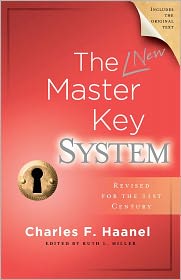
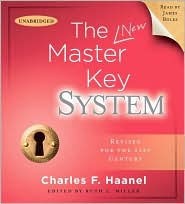
The Master Key System by Charles Haanel
Paperback eBook Audiobook
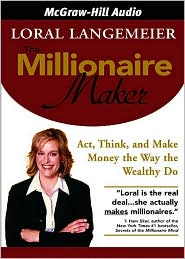
The Millionaire Maker by Loral Langmeier
Paperback eBook Audiobook
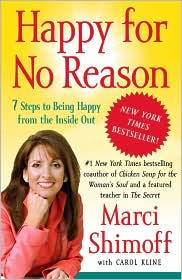
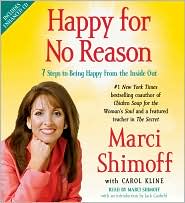
Happy for No Reason by Marci Shimoff
Paperback eBook Audiobook
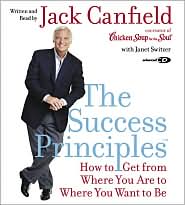
The Success Principles by Jack Canfield
Paperback eBook Audiobook
More will be added over time |
||||
|
|
||||














|
|
|
[Empowering Thoughts] [Focus Your Mind] [Prayer] [Holistic Approach] [Self Improvement Lit] [Empowering Thoughts] [Wisdom of the Ages] [Humor] [Service] [Handling Challenges] [Contact] [Handling Challenges] |
|
|
|
|
|
|
|
|

Custom Search
|
|||||||
 |
|||||||
 |
|||||||
 |
|||||||
 |
|||||||
 |
|||||||
 |
|||||||
|
|
|||||||
|
|
|||||||